
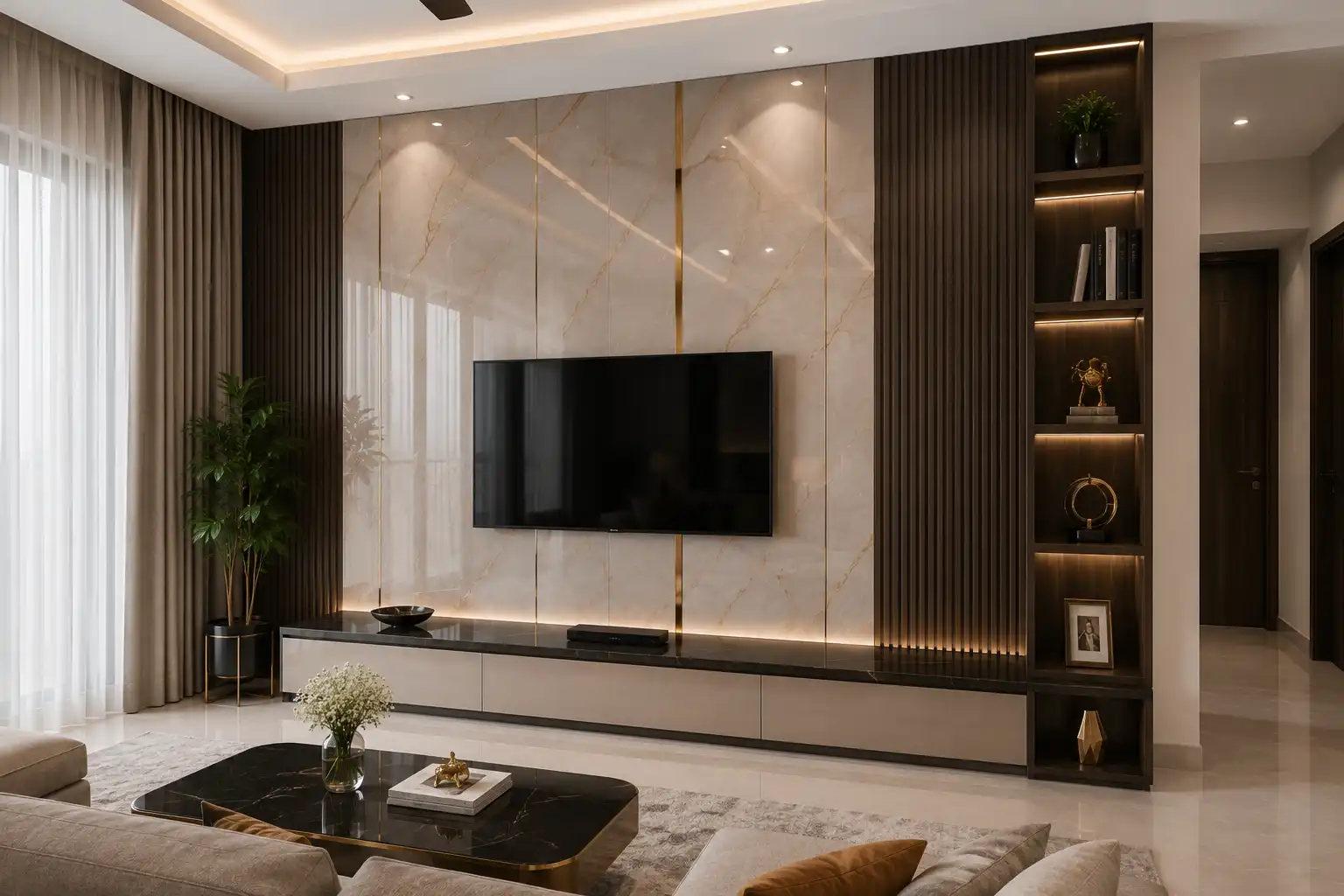
How Long Do Decorative Acrylic Sheets Last? Durability, Scratch Resistance & Lifespan Explained

When someone asks me how long decorative acrylic sheets last, the following should be considered: where are you putting them, and what thickness are you buying?
Because the honest answer isn’t a single number. A 1.5 mm acrylic sheet on a bedroom wardrobe in a house without young children can remain in excellent condition for well over a decade under normal residential use.
That same sheet on a kitchen backsplash where someone props pans against it daily may begin showing visible wear much sooner under heavy daily use. The material isn’t the only variable in the application; the thickness, the maintenance habits, and the quality of the sheet itself all matter.
In many applications, they outperform standard laminates. They also tend to outlast many painted finishes in everyday residential use. And in the right context, competitive with glass without the weight, fragility, or cost.
This guide breaks down what actually determines longevity so you can make a properly informed call.
What Determines Decorative Acrylic Sheet Durability?
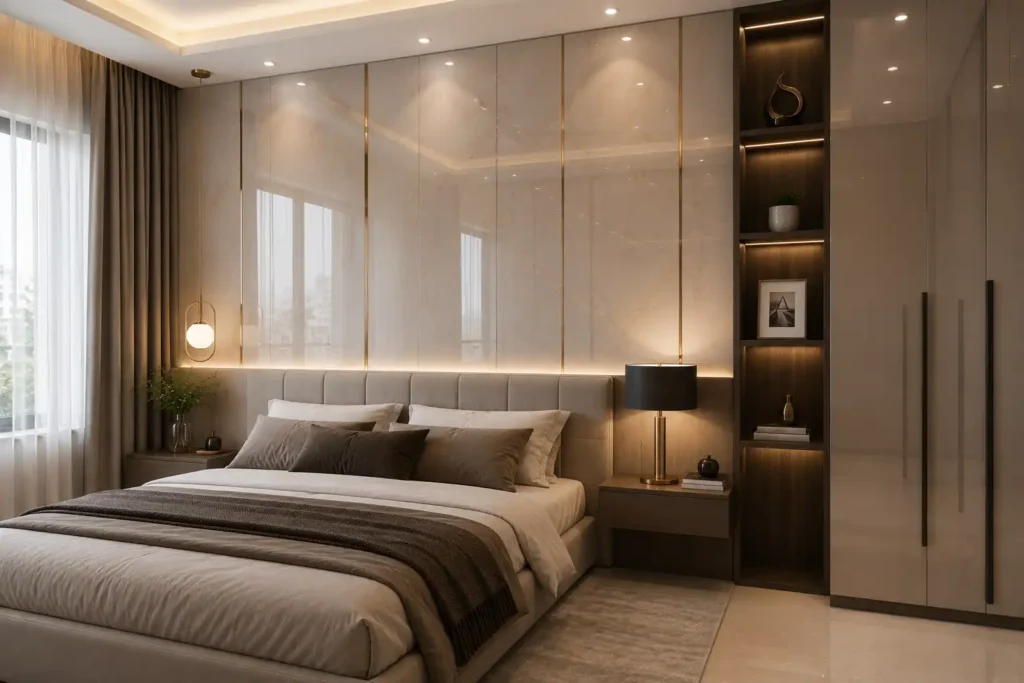
Four things, in order of importance.
1. Thickness.
- This is the biggest factor most buyers underestimate. Acrylic sheets for interior use typically range from 1.5 mm to 3.0 mm. The difference isn’t just rigidity; it’s resistance to impact, flex stress, and surface damage over time.
- A thicker acrylic sheet generally offers greater rigidity and improved resistance to flexing and minor impacts when properly installed. For kitchen cabinets, bathroom wall cladding, and any high-contact surface, thickness is where decorative acrylic sheet durability is either built in or left out.
2. Surface hardness.
- Not all acrylic is finished the same way. Some manufacturers apply a UV-cured hardcoat layer over the base acrylic; this is what makes scratch-resistant acrylic sheets genuinely scratch-resistant rather than just marketed as such.
- Some premium acrylic sheets feature hard-coated surfaces that improve scratch resistance compared with standard acrylic.
- Ask your supplier specifically whether a surface hardcoat is part of the manufacturing process, because it’s not universal.
3. UV stability.
- One of the most common complaints about cheap acrylic is yellowing that gradual amber shift that makes a white or light-coloured sheet look dingy after a few years.
- Good premium acrylic sheets are manufactured with UV stabilisers built into the material compound, not just the surface coating.
- This helps reduce yellowing and colour fading over time, particularly in spaces with significant natural light exposure.
4. Application match.
- Even the best sheet degrades faster when it’s in the wrong environment. Acrylic in a high-humidity space without proper sealing at edges and joints.
- Acrylic in a zone where harsh solvents are used for cleaning. Acrylic in a high-traffic corridor at 1.5 mm when the application called for 3.0 mm.
- The material can only perform as well as the specification allows.
Realistic Lifespan Ranges by Application
Actual lifespan varies depending on product quality, installation, environmental conditions, and maintenance.
Kitchen cabinets and wardrobe fronts: 10 to 15 years. Low-contact, protected from direct water exposure, easy to clean. This is where acrylic really earns its reputation for longevity.
Kitchen backsplash: 8 to 15 years. More exposure to heat, grease, and cleaning products than a cabinet front. Performance depends heavily on edge sealing and whether the sheet is regularly cleaned with abrasive materials (it shouldn’t be).
Bathroom wall cladding: 10 to 20 years with proper installation. Acrylic handles humidity well, but edge sealing at joins and penetrations is critical. Water that gets behind the sheet causes problems that the acrylic itself would never cause.
High-traffic commercial surfaces: 8 to 15 years, depending on foot traffic patterns and cleaning frequency. This is where thickness matters most a 3.0 mm sheet in a retail or hospitality environment will outlast a 1.5 mm sheet by years.
Furniture features panels and low-contact decorative surfaces: 10 to 20 years is realistic. Some well-maintained acrylic furniture from the early 2000s still looks good today. Low contact means the longevity ceiling is basically the UV stability of the material.
How Scratch-Resistant Are Acrylic Sheets, Really?
The marketing around scratch-resistant acrylic sheets is sometimes more confident than the reality. Acrylic has a harder, more wear-resistant decorative surface than many wood-based decorative finishes and is significantly harder than PVC. It resists light contact scratching well.
Daily wiping, casual contact from hands and soft objects, even gentle impacts, properly hard-coated premium acrylic sheets handle all of that without issue.
What doesn’t suit acrylic is abrasive contact. Keys dragged across the surface. Scouring pads used during cleaning. Gritty dust is wiped with a dry cloth rather than a damp one. These cause surface micro-scratches that catch light and accumulate into a haze over time. It’s not catastrophic damage, but it does change how the surface looks, particularly on gloss finishes where any imperfection becomes visible under raking light.
Two practical things to know:
- Minor surface scratches on acrylic often can be polished out with an acrylic polishing compound, unlike many laminate or painted finishes, where repair options are usually more limited.
- Matte and textured finishes mask everyday scratches far better than high-gloss surfaces.
If you’re applying acrylic in a high-contact area and you want it to look good for longer, it’s worth asking if gloss is the right finish for that application, regardless of how durable the sheet is.
Which Dexarte Acrylic Sheets Are Built for Longevity?
This depends on what you’re asking the sheet to do.
Dexarte Imparo (3.0 mm, 8 × 4 ft) is the range to look at when durability is the primary consideration. At 3.0 mm, it’s the thickest sheet in the Dexarte lineup and engineered specifically for environments where surface resilience matters as much as aesthetics, such as commercial kitchens, retail fit-outs, and high-traffic residential spaces. This is the sheet that genuinely earns the label scratch-resistant acrylic sheets rather than just carrying it as a description.
Dexarte Luxeline (2.5 mm, 8 × 4 ft) sits in the middle of the range in terms of thickness, but punches well above its weight in finish quality. Its rich textural patterns and premium surface treatment make it a natural fit for high-end residential kitchens and bathroom cladding where you want longevity alongside a surface that looks genuinely luxurious. The extra thickness over 1.5 mm and 2.0 mm alternatives makes a real difference in high-contact zones.
Dexarte Essenczza (1.5 mm, 8 × 4 ft) is the right choice for lower-contact applications: wardrobe fronts, furniture panels, bedroom feature walls, and bathroom vanity fronts. It’s not the durability spec for a heavily used kitchen surface, but for applications where daily contact is light, its extensive finish range and consistent quality make it the most versatile option in the lineup. Don’t under-specify it for demanding environments, and it will perform exactly as expected everywhere else.
How to Extend the Lifespan of Decorative Acrylic Sheets
A few things that genuinely make a difference over the long run:
Clean with a damp microfibre cloth. Never a dry cloth, never a scouring pad, never anything abrasive. Acrylic attracts dust statically; a dry wipe grinds that dust into the surface rather than lifting it.
Use pH-neutral cleaning products. Harsh alkaline or acidic cleaners can degrade the surface finish over time, particularly on metallic and sparkle finishes. Mild, pH-neutral household cleaners are generally recommended.
Seal edges properly at installation. The sheet itself may be water-resistant, but the substrate it’s fixed to often isn’t. Gaps at edges and joins in wet areas are where most long-term problems originate, not in the acrylic itself.
If surface haze develops over time, an acrylic polish applied with a soft cloth can restore clarity to gloss finishes surprisingly well.
Are Decorative Acrylic Sheets Worth It?
The durability of well-specified decorative acrylic sheet is genuinely excellent. In the right application, with the right thickness, these are surfaces that outlast most of the alternatives you’re comparing them against.
The variables that shorten lifespan are nearly all avoidable: wrong thickness for the application, abrasive cleaning habits, poor edge sealing, cheap sheets with no UV stabilisation.
Manufacturers usually test decorative acrylic sheets for their impact resistance, UV stability, surface hardness, and colour retention. Specifications will vary from brand to brand, but selecting products that clearly document performance characteristics will help to ensure the material performs as expected over time.
Buy premium acrylic sheets from a manufacturer who is specific about their specifications. Match the thickness to the environment. Maintain them properly. With proper specification, installation, and maintenance, premium acrylic sheets can maintain their appearance for many years.
Need Help Picking The Right Finish?
Each space has a function, and the right finish can completely change the look, feel and performance of that space over time. When designing a kitchen, wardrobe or feature wall, the best choice is to match the finish to the space, not just follow trends.
Contact Dexarte for expert advice, design inspiration and finish recommendations to help you create the right mood, function and visual harmony on every surface.
Follow Dexarte on Instagram, Facebook, and LinkedIn for inspiration and surface innovations.
FAQ
Q1. How long do decorative acrylic sheets last?
A. Decorative acrylic sheets can last 10 to 20 years with the proper thickness, installation and maintenance, depending on the location of the application and exposure to daily wear.
Q2. Are acrylic sheets scratch-resistant?
A. Yes, premium acrylic sheets are scratch-resistant to normal scratches from normal use. But still, the surface can be damaged by abrasive items and rough cleaning tools.
Q3. Do acrylic sheets fade over time?
A. High-quality acrylic sheets with UV stabilisers resist yellowing and colour fading, maintaining their visual appearance even in rooms with natural light.
Q4. Can acrylic sheets withstand daily use?
A. Yeah. Decorative acrylic sheets can be used in everyday residential applications and are ideal for use on cabinets, wardrobes, furniture and wall cladding when matched to the right application.
Q5. Are acrylic sheets suitable for high-traffic areas?
A. Yes, if you select a thicker, premium-grade acrylic sheet that is made for durability. Thicker sheets are more resistant to impact and constant contact in busy areas.